Follow us & Review



- I-Ching Acupuncture Clinic3609 W. Mukilteo Blvd.
Everett, WA 98203425-374-8408 - Edmonds Location7935 216th St SW Suite E
Edmonds, WA 98026425-672-2113 - Torrance, CA Location20911 Earl St.#330
Torrance, CA 90503310-540-0300 -


Acupuncture
Acupuncture is Preventive Medicine
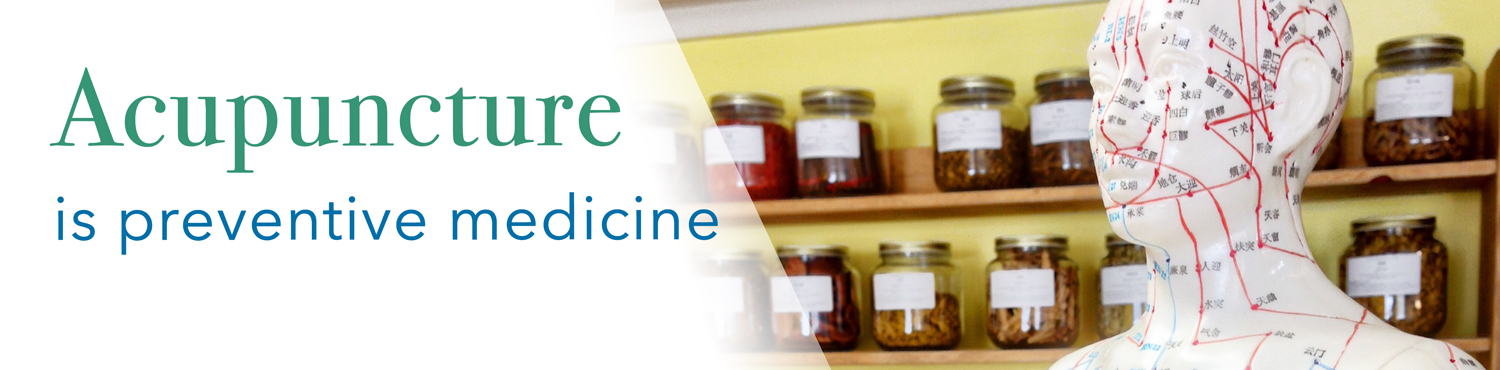
I think we all know someone, or maybe it’s even ourselves, who lives by the refrain, “If it’s not broken, don’t fix it.”
Often used to put off replacing outdated tools or technology, the phase can be connected to how we view healthcare as well. It can be hard to think about our physical health until it is a problem. Something we take for granted, until, as it were, it’s broken. Why would we spend time and money on something before it’s necessary? continue reading
Acupuncture for Anger Management
Anger is the emotion associated with springtime in Traditional Chinese Medicine. For most of us, we consider anger a bad emotion, something to avoid or get rid of, so why would it be one that TCM would shine a light on?
Well, no emotion is inherently good or bad, it’s how we deal with challenging emotions that can end up hurting ourselves or those we love. continue reading
Regrowth: Spring and Traditional Chinese Medicine
Three thousand years ago, when Chinese medicine was first being practiced, there was no light or electricity. No way to mask the darkness of winter. No way, either, to ignore the longer, warmer days of springtime. Because it is such an ancient practice, a lot of the wisdom of Traditional Chinese Medicine comes from a time when people spent much more time outside, paying attention to the natural world around them. continue reading
Acupuncture for Diabetes
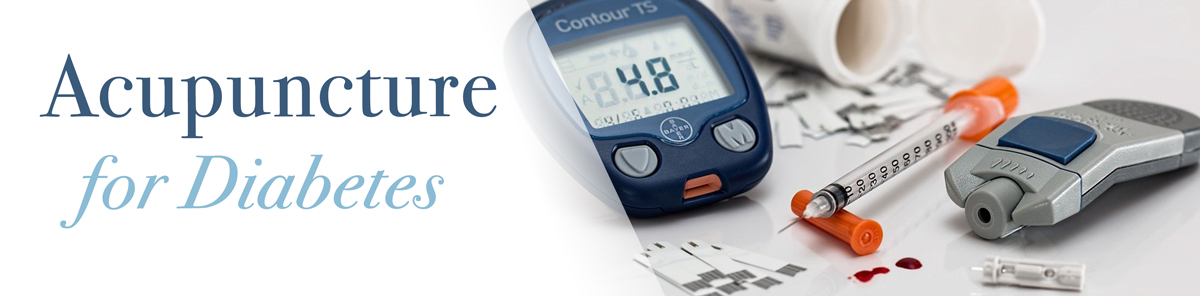
More than 34 million Americans have diabetes, and approximately 90 percent of them have type 2 diabetes, according to the Centers for Disease Control and Prevention.
Type 2 diabetes, while its exact cause is unknown, develops when the body becomes resistant to insulin or the pancreas doesn’t produce enough insulin. Because of this, treatment often involves taking “insulin sensitizers” or medication that helps the body increase its sensitivity and therefore ability to process insulin, keeping the blood sugar from getting too low. Unfortunately, this medication often causes side effects, including weight gain and anemia. continue reading
5 Acupoints for Anxiety You Can Administer Yourself
“At a time when people are so conscious of maintaining their physical health by controlling their diets, exercising, and so forth, it makes sense to try to cultivate the corresponding mental attitudes too.”
– HH the Dalai Lama, 1963
It can be easy to forget how much our mental state can affect our physical well-being. In Traditional Chinese Medicine, that connection is evident in the treatment strategies, but it is also true that when we are feeling bad, we don’t always think to look at our minds. It works both ways. continue reading
Acupuncture Wrapped: An overview of some of the most exciting discoveries in 2020
As we enter a new year, it is natural to want to look back on the last one. As humans, we have the gift and the hurdle of marking time, so it can feel helpful to recall memories we want to hold on to or look for lessons we can take with us.
To that end, here are three categories in which research into the type, application and efficacy of acupuncture saw significant advancements in 2020, findings that will certainly help guide us as we move forward. In a year that saw so much focus on our health, these findings offer some good news in the fields of pain management without opioids, migraine headaches, and insight into why it is that acupuncture is effective as an anti-inflammatory. continue reading
Intention setting in the new year
It’s that time of year again: the time when many of us engage in the practice of setting a new year’s resolution.
It seems, though, that hand-in-hand with new year’s resolutions is the prediction of inevitable failure. That as soon as you pick a resolution, you won’t actually make it through the whole year sticking with the new behavior, or that by the third week of January the resolution will be out of sight, out of mind. So, I wanted to offer some tips on how to join in the tradition in a way that might foster more success, by incorporating some wisdom from traditional Chinese medicine. continue reading
Winter and your Kidneys

In Traditional Chinese Medicine, health is achieved by living in balance with nature and the seasons. Winter, the season of the Water Element, is the season for slowing down, reflecting, and conserving our resources. We all feel this tendency, but we don’t always listen to our bodies. In Western culture, being active is rewarded and expected. We feel compelled to keep up the hectic pace that is typical in our daily lives.
This season is associated with the kidneys, bladder, and adrenal glands and the time of year when these organs are most active, accessible, and even vulnerable. They are more receptive to being restored, nurtured, and energized. At the same time, it is also when they can become easily depleted. continue reading
You’re Getting Sleepy…

Enjoying Naps in the Winter Season
Most mammals are polyphasic sleepers, meaning that they sleep for short periods throughout the day. For humans, days are divided into two distinct periods, one for sleep and one for wakefulness, which is a monophasic sleep pattern. However, this may be a product of living in an industrialized world and not the natural sleep pattern of humans. In many cultures, young children and elderly take naps midday. Our bodies are programmed for two periods of intense sleepiness a day: between 2 and 4 am and 1 and 3 pm. Unfortunately, despite our biological vestige, we are having to consolidate our sleep into one long period. continue reading
What Is Seasonal Affective Disorder?
Seasonal Affective Disorder (SAD) is a condition believed to be linked to a lack of sunlight where the individual experiences mood changes and emotions similar to depression. SAD occurs mostly in the Fall and Winter months when there is less sunlight exposure.
It’s found that around 5 percent of people may experience SAD lasting 40% of the year (especially in areas with less sunlight such as the Pacific Northwest and other Northern regions), and it is more common in women than in men. continue reading